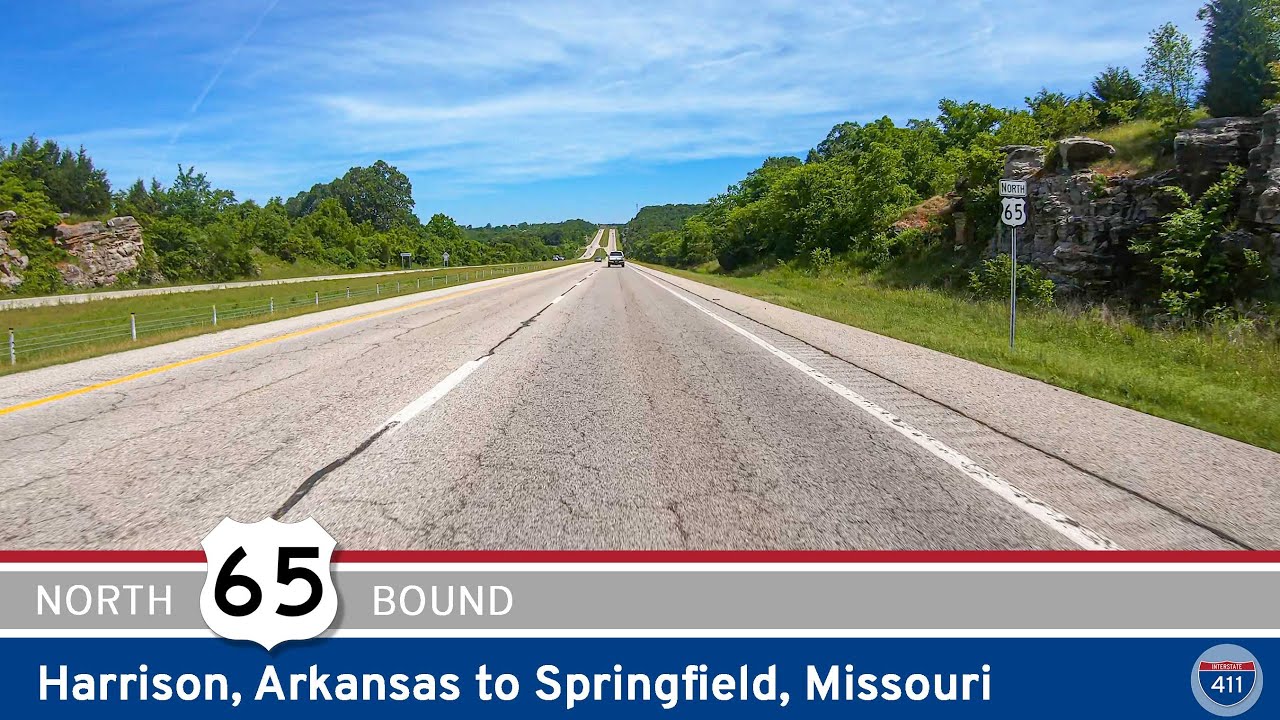
Drive 68 miles along U.S. Highway 65 from Harrison, Arkansas to Springfield, Missouri. This scenic route winds through the Ozarks, passing Branson, Ozark, and forested hills before reaching the heart of Springfield.

The 🛣️ Scenic Route tag is reserved for highway segments known for their visual appeal and memorable landscapes. These are the drives that invite you to slow down, roll the windows down, and take it all in—whether you’re surrounded by snow-capped mountains, winding through a canyon, hugging a coastal cliff, or coasting across rolling farmland. A route earns this tag not for its efficiency, but for its beauty, character, and ability to turn an ordinary trip into an experience.
Scenic routes vary widely in terrain and setting. In the Pacific Northwest, a scenic highway might weave through dense conifer forests with mist rising from the treetops. In the Southwest, it could mean miles of desert accented by red rock formations and wide-open skies. In the Midwest, a scenic road might stretch past prairie grasses and grain silos under an endless sky, while the East might feature tree-covered parkways that blaze with autumn color. Regardless of the region, a scenic tag indicates a road that offers something more than the usual commute—it delivers atmosphere and a sense of place.
These routes are often less direct than their bypass counterparts, with more curves, elevation changes, and natural features. They may pass through parks, along rivers, past historic landmarks, or into remote wilderness. While some scenic highways are part of official designations—like National Scenic Byways or state tourism trails—others earn the tag simply through reputation and traveler consensus. Many scenic routes also include well-placed overlooks, rest stops, or interpretive signs to help visitors fully appreciate the surroundings.
Drive 68 miles along U.S. Highway 65 from Harrison, Arkansas to Springfield, Missouri. This scenic route winds through the Ozarks, passing Branson, Ozark, and forested hills before reaching the heart of Springfield.
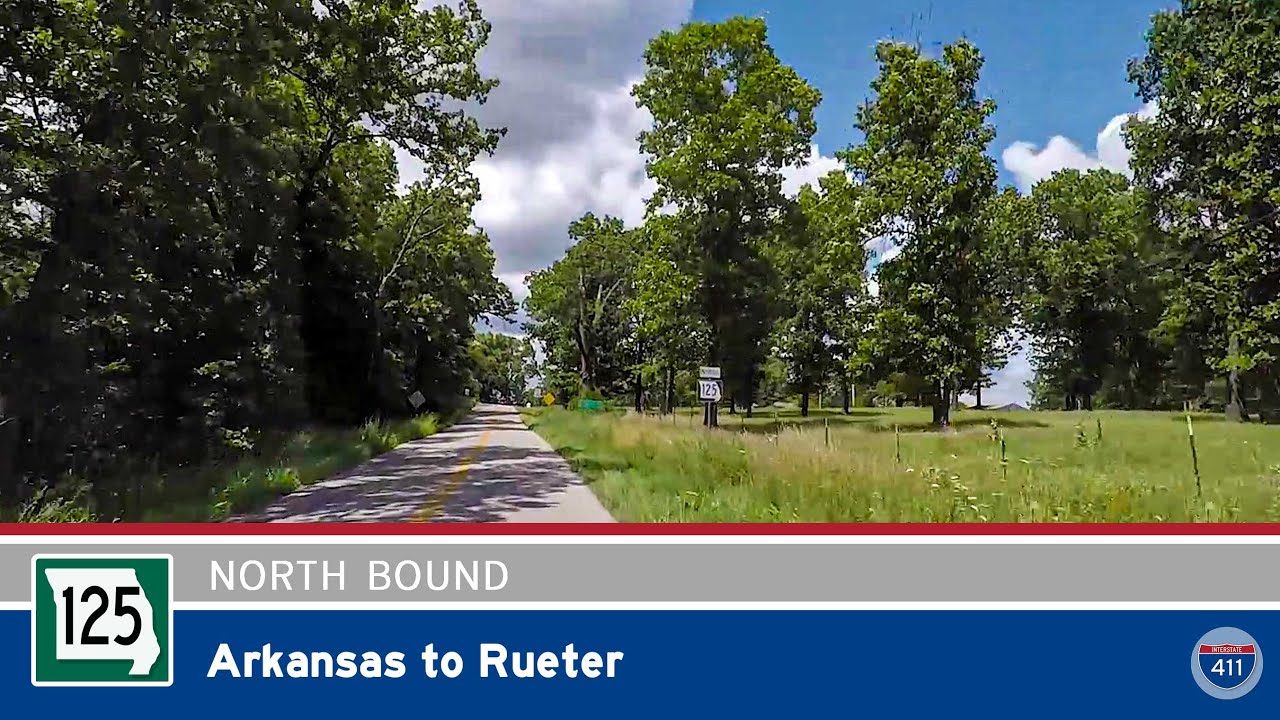
Explore Missouri Route 125 from the Arkansas state line to Rueter in this scenic 11-mile drive through the Ozark hills. From the historic Peel Ferry to quiet forests near US-160, this peaceful rural route offers a glimpse into Missouri’s backroads charm.
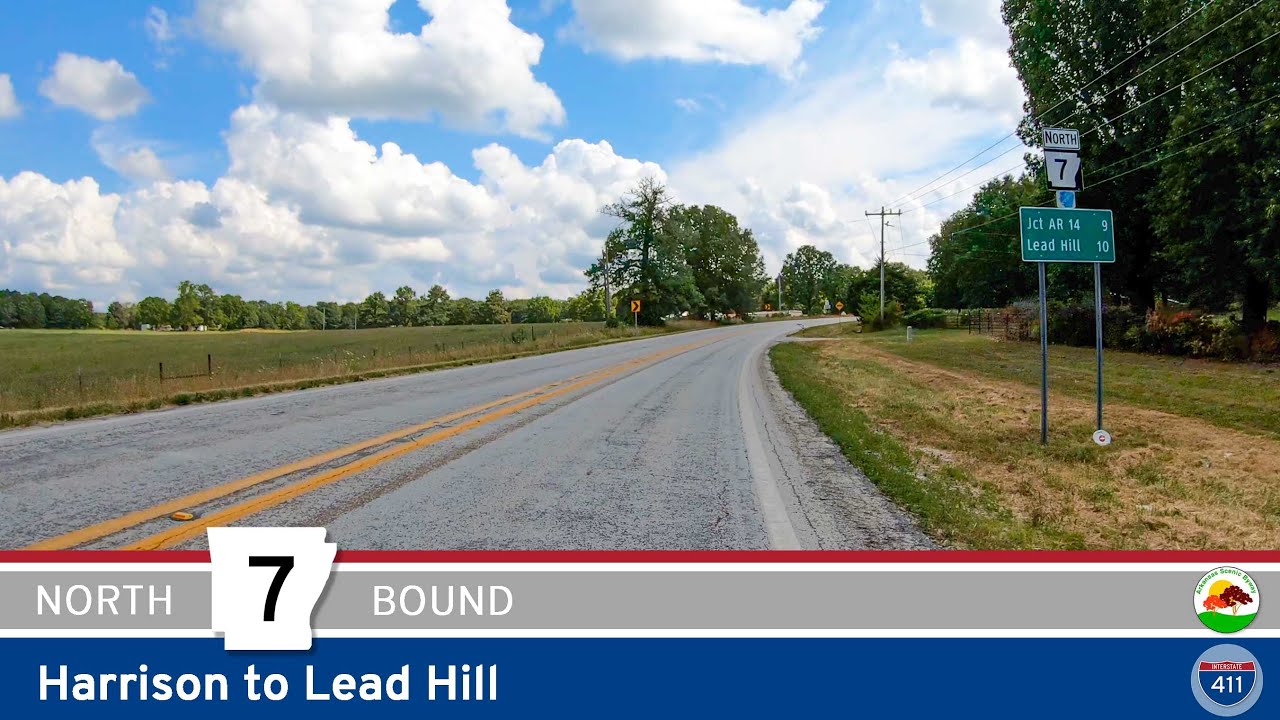
Cruise 19 scenic miles along Arkansas Highway 7 from Harrison to Lead Hill. Explore small towns, forested hills, and connections to Bull Shoals Lake on this peaceful Ozark drive.
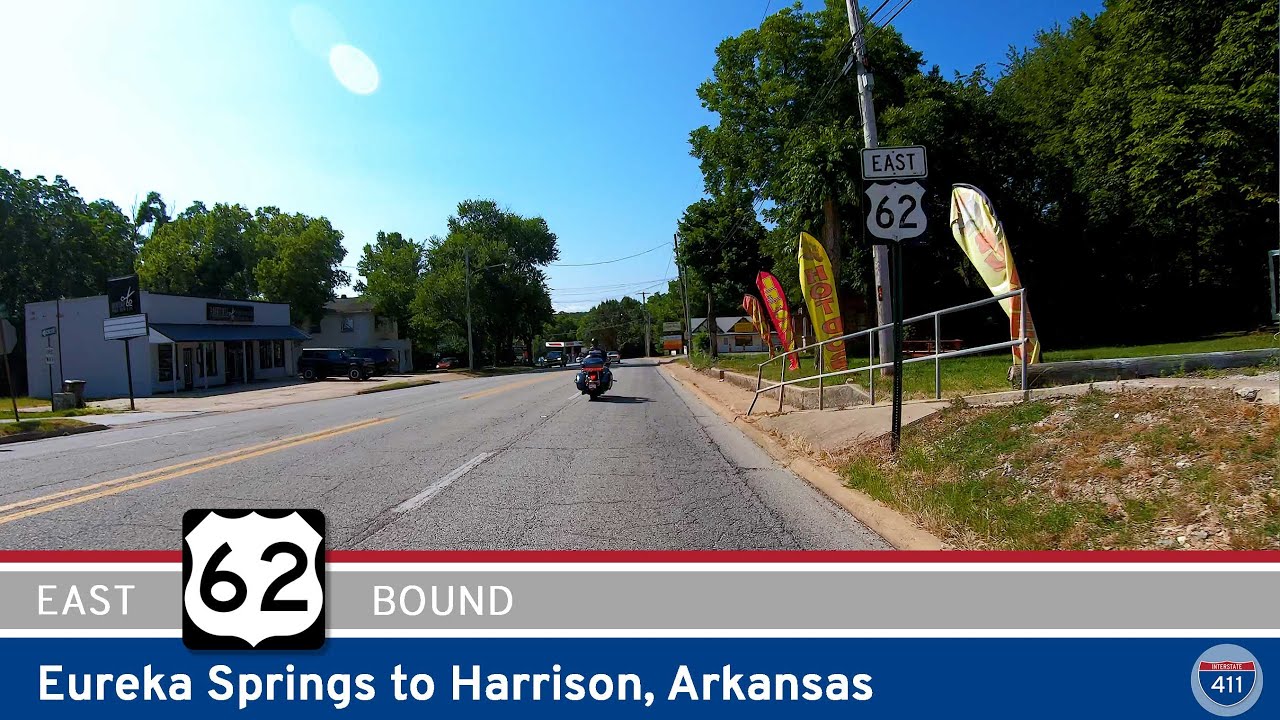
Take a scenic 32-mile drive along U.S. Route 62 from Eureka Springs to Harrison, Arkansas, passing through the Kings River valley, Berryville, and Green Forest. This winding route offers stunning Ozark views and small-town charm at every turn.
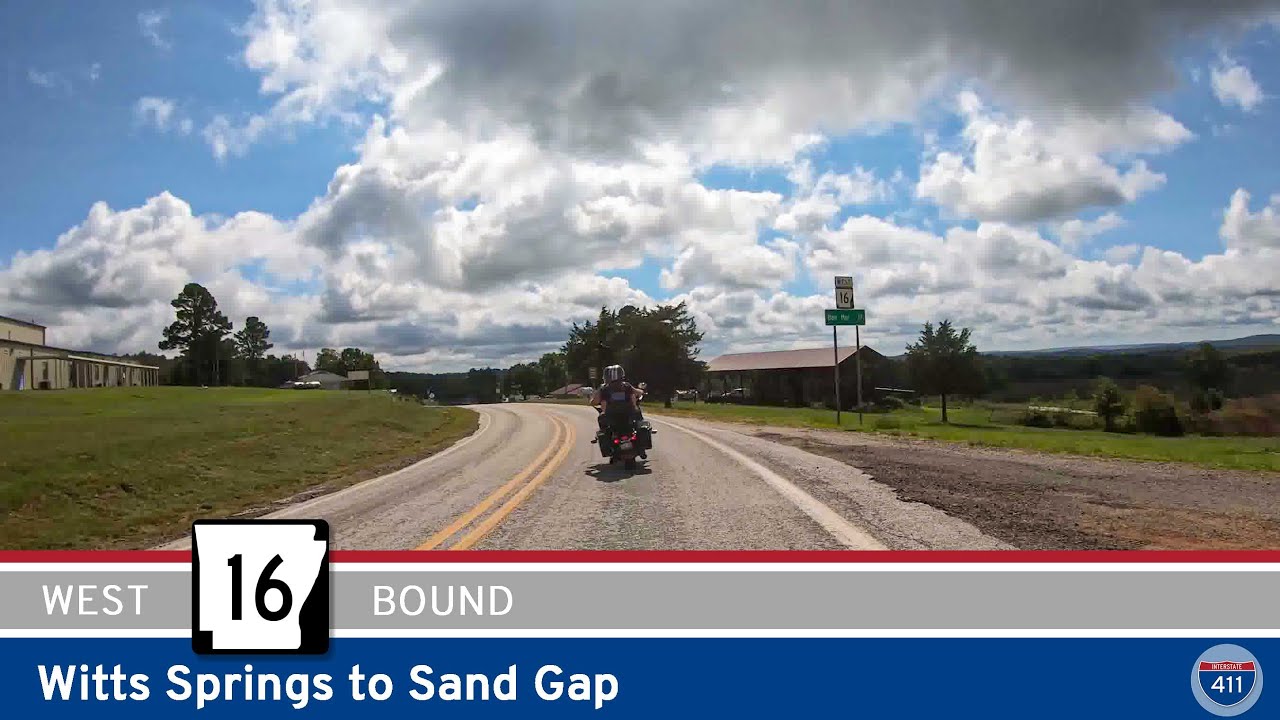
Explore the scenic and remote drive along Arkansas Highway 16 from Witts Springs to Sand Gap. This 26-mile route winds through the heart of the Ozarks, passing Pedestal Rocks and sweeping forest overlooks for a peaceful, unforgettable journey.
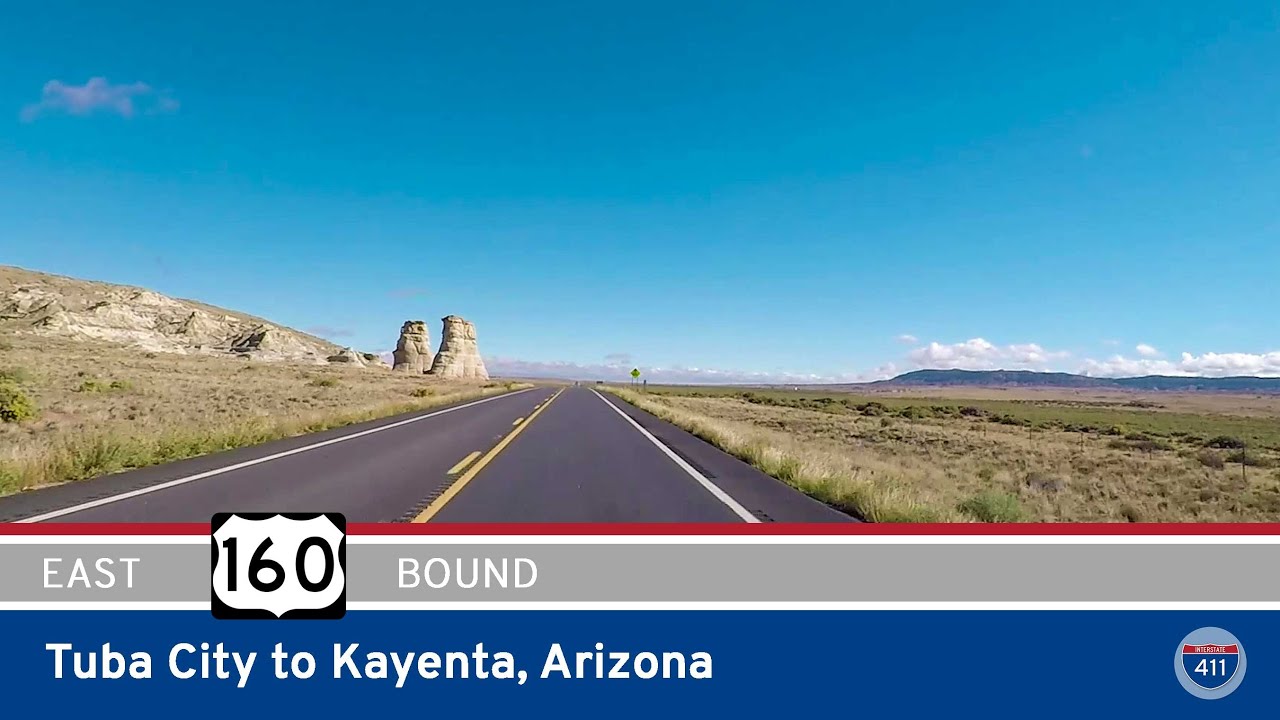
Drive 82 miles across the Navajo Nation on U.S. Route 160 from Tuba City to Kayenta, Arizona. Explore scenic desert landscapes, roadside stops, and historic points of interest along this vital east-west corridor in the American Southwest.
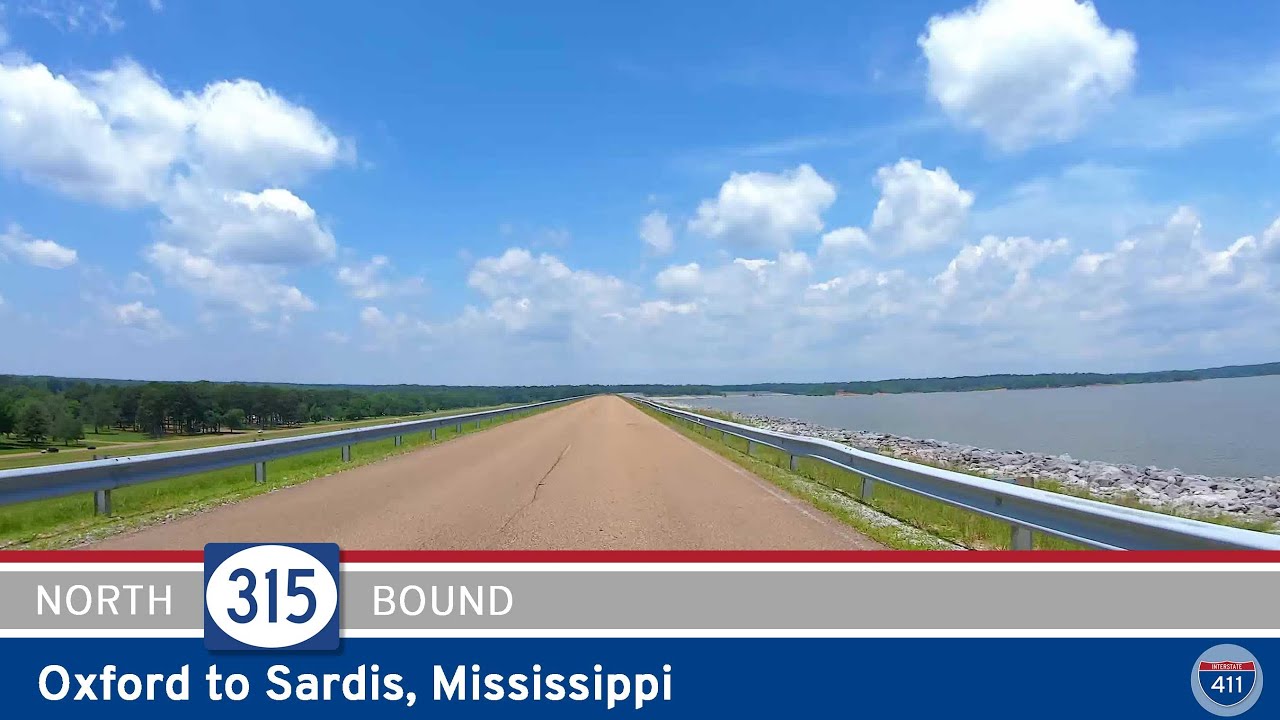
Take a 15-mile drive along Mississippi Highway 315 from Oxford to Sardis. Explore quiet rural roads, scenic Sardis Dam, and the recreational beauty of northern Mississippi along this peaceful and varied route.
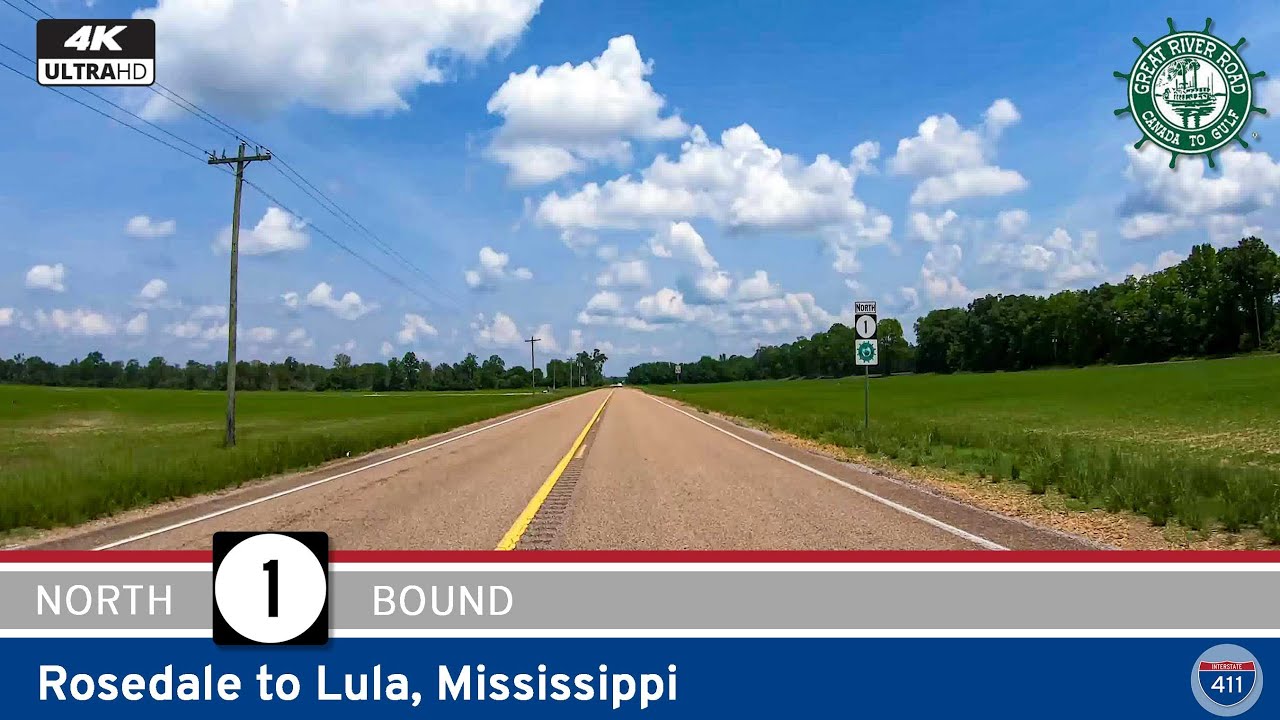
Travel 54 miles through the Mississippi Delta along Mississippi Highway 1 from Rosedale to Lula. Part of the scenic Great River Road, this drive offers rural charm, historic Delta towns, and a deep look into the region’s cultural and agricultural heritage.
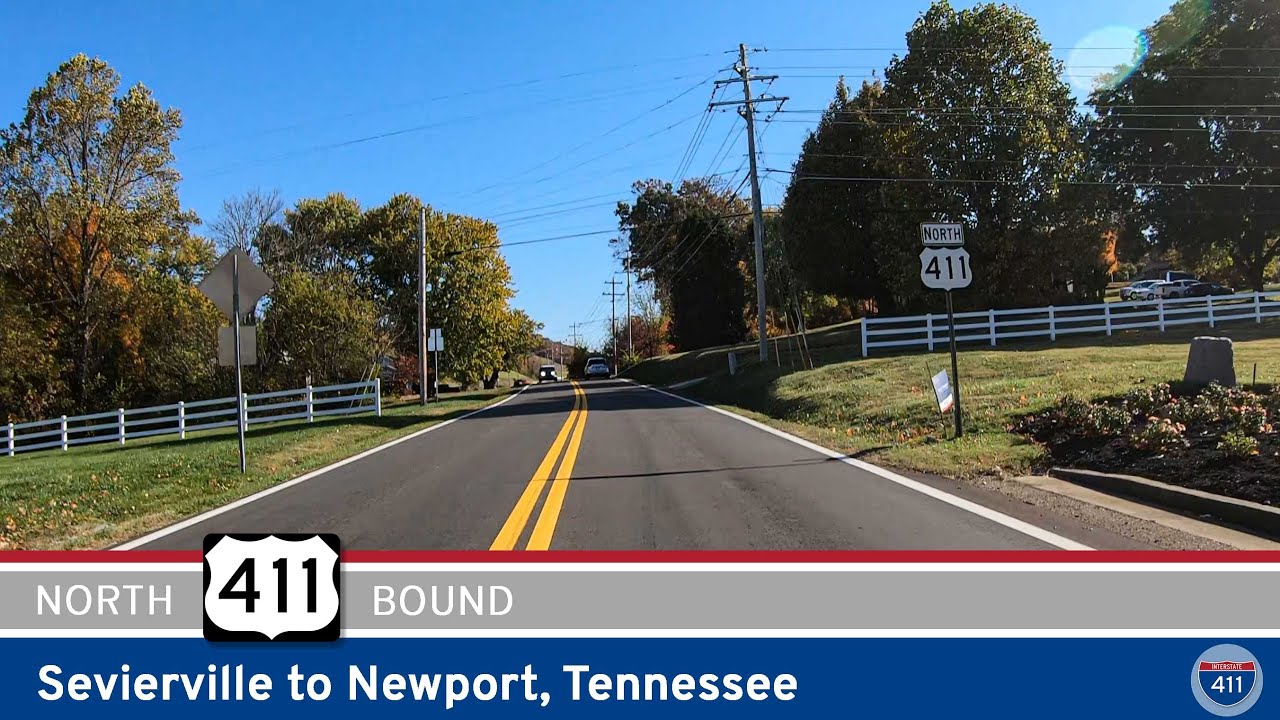
Take a scenic drive along U.S. Route 411 from Sevierville to Newport, Tennessee. This 19-mile stretch winds through the Smoky Mountain foothills, passing Fairgarden’s historic schoolhouse, Chestnut Hill’s lakeside charm, and the gateway to the Cherokee National Forest…
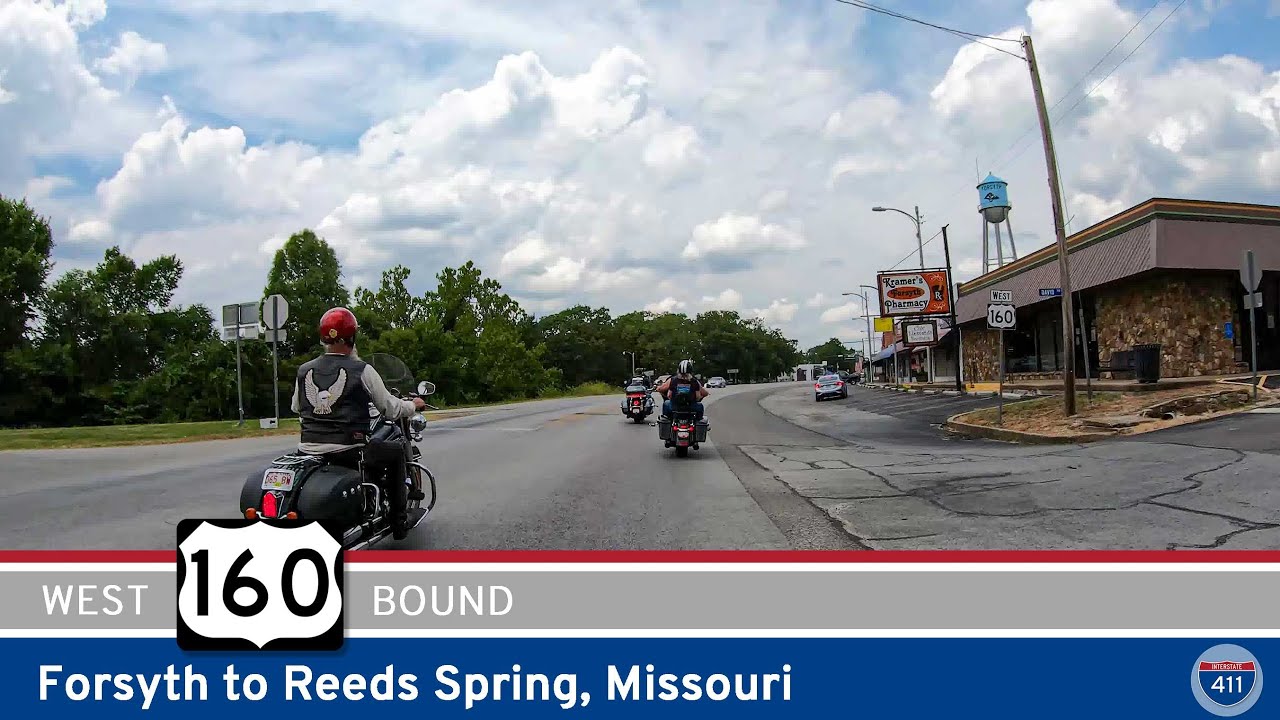
Take a scenic 19-mile drive along U.S. Highway 160 from Forsyth to Reeds Spring, Missouri. Explore wooded Ozark hills, small-town charm, and major junctions connecting to Branson and Table Rock Lake.
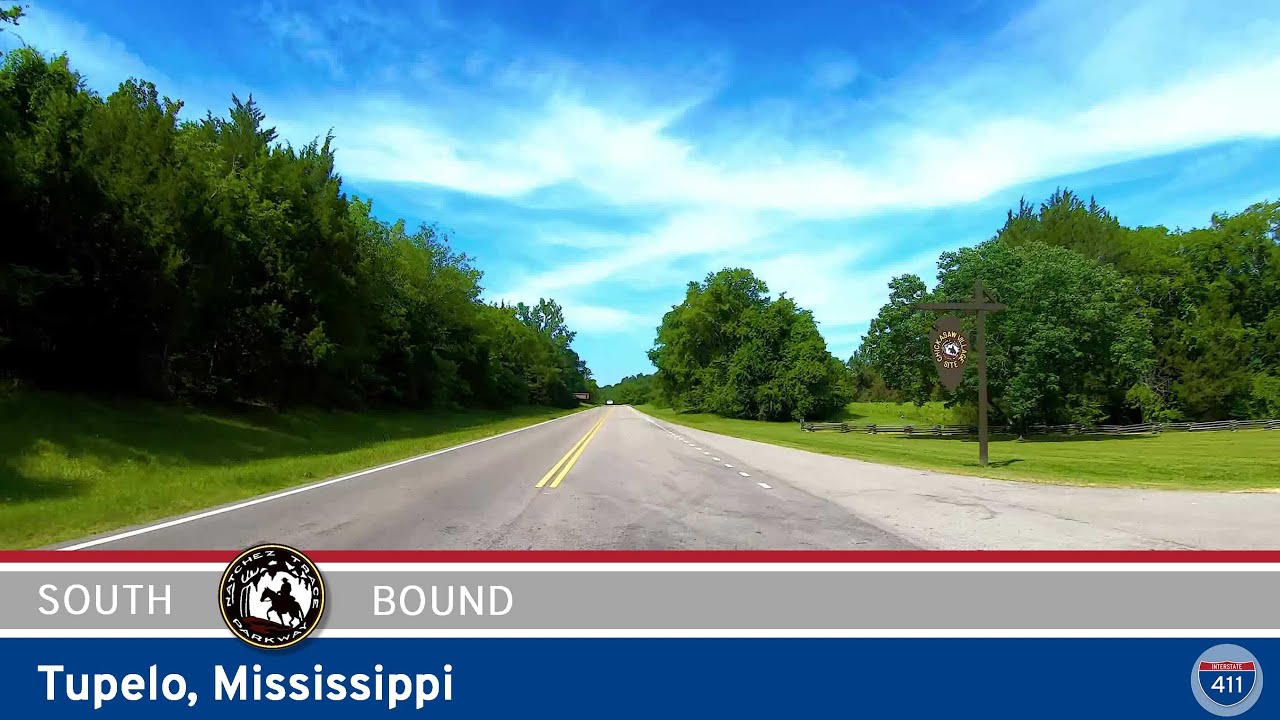
Cruise 7 peaceful miles along the Natchez Trace Parkway in Tupelo, Mississippi—from I-22 to US-278—exploring the serene forested corridor that skirts the city’s southwest side with access to local roads, Civil War history, and nearby Elvis landmarks.
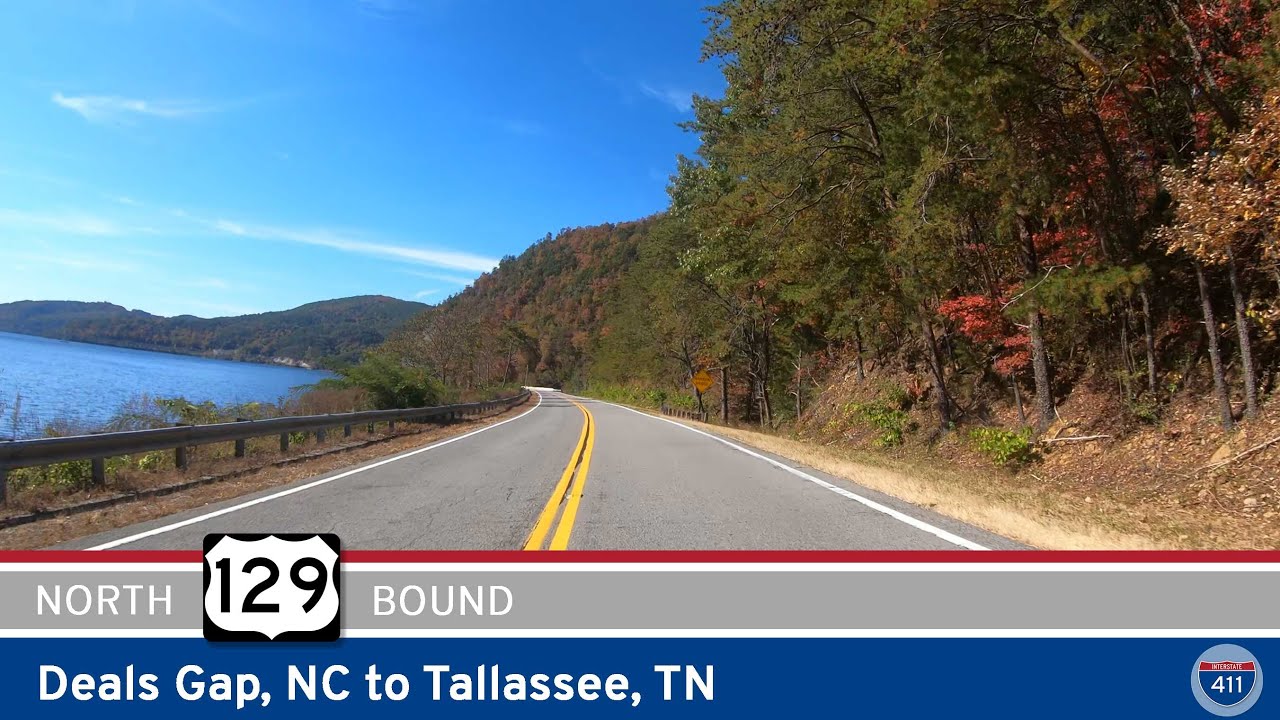
Experience the legendary Tail of the Dragon as we drive U.S. Route 129 from Tallassee, TN to Deals Gap, NC—an adrenaline-filled ride featuring 318 curves through the Great Smoky Mountains and ending at the iconic Deals Gap Motorcycle Resort.